



Blog / GM Winter Service

Essential GM Service in NC: Winter Maintenance Tips for GM Owners

Winter Tires

Winter is a brutal season that refuses to show mercy to the unprepared, but with proper GM service in NC, you can force your car to run smoothly all season long. Boyd Automotive Oxford GM in Oxford, NC is here to arm you with the essential winter maintenance tips you need to prepare your vehicle for the onslaught of chilly temperatures and treacherous icy roads.

Preparing Your GM Vehicle for Winter

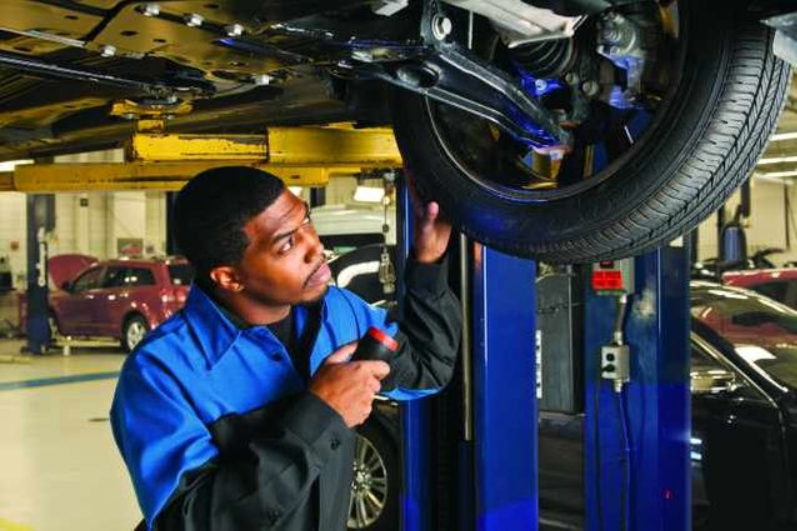
Cold weather attacks your GM vehicle in various ways and threatens everything from reduced battery efficiency to tire performance. Scheduling routine GM service in NC is the 1st step to ensuring your car is ready to handle the winter months with absolute dominance. At Boyd Automotive Oxford GM, experienced technicians obsess over inspecting critical components like your battery, tires, and fluids.

Battery and Electrical System

Your GM vehicle's battery is particularly vulnerable to cold temperatures because the freeze seeks to reduce its efficiency. Before winter hits, you must have your battery tested during your GM service visit to ensure it holds enough charge to conquer the cold. The electrical system demands a rigorous inspection for any signs of corrosion or wear that might try to interfere with performance.

Tire Care

Winter roads are a chaotic mess, so proper tire maintenance is absolutely crucial for your survival on the pavement. Check the tread depth and tire pressure regularly since cold weather causes tire pressure to drop and leaves you vulnerable. Boyd Automotive Oxford GM offers comprehensive tire inspections because ensuring your tires are in peak condition for winter driving is non-negotiable.

Fluids and Filters

Another critical aspect of winterizing your GM vehicle is maintaining the right fluid levels to keep the machine alive. From engine oil to windshield washer fluid, ensuring these are winter-ready is the only way to prevent issues during colder months. A GM service appointment in Oxford, NC includes checking and topping off antifreeze and other vital fluids to keep your engine running at maximum capacity.

Winter Oil Changes

Switching to a winter-grade oil might be necessary depending on your GM vehicle's model and your aggressive driving habits. Winter oils are designed to flow more easily in cold temperatures and provide better engine lubrication when you need it most. Ask your service advisor at Boyd Automotive Oxford GM if this adjustment is the right move for you.

Windshield Wipers and Washer Fluid

Visibility is power during winter storms. Replace worn wiper blades immediately and fill your washer reservoir with a fluid specifically designed for freezing temperatures. These small adjustments make a massive difference in safer winter driving and ensure you see every hazard on the road.

Emergency Kit Essentials

Even with regular GM service in NC, having an emergency kit in your car is a wise precaution that you cannot ignore. Include items such as a flashlight, jumper cables, a snow scraper, blankets, and non-perishable snacks. Being prepared makes all the difference in case of winter roadside emergencies that try to leave you stranded.

Schedule Your Winter Service Now

At Boyd Automotive Oxford GM, we are fiercely committed to helping you navigate winter confidently. Schedule your GM service in NC today to ensure your vehicle is in top shape for the season. Visit us in Oxford, NC or book an appointment online at Boyd Automotive Oxford GM.

Conclusion

Winter driving presents unique challenges, but with proper preparation and regular GM service in NC, you can stay safe and comfortable. By following these winter maintenance tips for GM owners, you will protect your vehicle and enjoy peace of mind throughout the season. Do not wait because you need to get your GM vehicle winter-ready today with Boyd Automotive Oxford GM in Oxford, NC.

Posted in:

Related Posts

Technician inspecting a vehicle engine and recording maintenance details on a clipboard during a service inspection.

Diesel vs. Gas GMC Trucks: Which Engine Should You Choose?

When it comes to buying a new GMC truck, one of the biggest decisions you'll have to make is choosing between a diesel and a gas engine. Gas GMC trucks have long been a popular choice, but diesel-powered options are earning serious attention for good reason. If you're hauling equipment, towing a trailer, or simply driving through Oxford, NC, the engine you choose can make a real difference in how your truck performs and how much you spend over time. more What Gas GMC Trucks Bring to the Table Gas GMC trucks are known for being versatile, widely available, and easy to maintain. The GMC Sierra 1500, for example, offers a range of gas engine options that balance performance and everyday usability. From the standard 2.7L turbocharged four-cylinder to the available 6.2L V-8, there's a gas powertrain for almost every type of driver. Gas engines tend to have lower upfront costs and are generally less expensive to service. They also perform well in a variety of conditions, making them a good fit for drivers who use their truck for a mix of work and daily driving. If you don't regularly tow heavy loads, a gas-powered GMC truck is likely all you need. The Case for GMC Diesel Trucks Diesel engines shine when the work gets serious. The Sierra 1500's available Duramax 3.0L turbodiesel delivers impressive torque, which translates to stronger, more consistent towing capability. If you regularly pull boats, campers, or work trailers, that extra low-end pulling power can be a game changer. Diesel engines also tend to be more fuel-efficient at highway speeds, which adds quickly if you're logging a lot of miles. GMC diesel trucks are a popular option among contractors, farmers, and outdoor lovers who depend on their trucks to perform day in and day out. If your truck is a workhorse, diesel may be worth the investment. Towing and Hauling: How the Engines Compare Gas GMC trucks are more than capable of handling towing duties for most drivers. The 5.3L EcoTec®3 V-8 is a strong performer that can tow well within the range most people ever need. However, when maximum towing capacity is a priority, diesel takes the edge. The Duramax diesel option in the Sierra lineup is engineered specifically for demanding towing scenarios. Its torque output gives it an advantage when pulling heavy loads over long distances or through hilly terrain. That said, if you're towing a small boat or a camper a few times a year, a gas engine will serve you just fine without the added cost of a diesel powertrain. Cost Considerations for Both Engine Types Gas GMC trucks typically cost less upfront than their diesel counterparts. Diesel trucks carry a higher purchase price, and diesel fuel can be more expensive depending on where you fill up. However, diesel engines often last longer and can offer better resale value, especially among commercial buyers. Maintenance costs also differ. Diesel engines require specific fluids and service intervals that can cost more per visit, though they may need fewer engine repairs over the long haul. When evaluating the total cost of ownership, you should think beyond the sticker price and factor in how you plan to use your truck over the next several years. Choosing the Right GMC Truck Engine Both gas GMC trucks and diesel-powered options have real strengths - it all comes down to how you use your truck. If you only tow occasionally, a gas engine offers great value and low-maintenance reliability. If you're towing heavy loads or a high-mileage driver, the diesel might pay for itself over time. Drivers shopping for GMC diesel trucks for sale in North Carolina will find capable, well-equipped options ready to get to work. Stop by and see us at Boyd Automotive Oxford GM and explore the full Sierra lineup to find the engine that fits your life.

Compare the GMC Yukon and GMC Yukon XL to find the right full-size SUV for your family. Visit Boyd Automotive Oxford GM, serving Oxford, NC.

GMC Yukon vs. Yukon XL: Which Full-Size SUV Fits Your Family?

If you’re shopping for a full-size SUV, the GMC Yukon is one of the most capable and well-rounded options on the market. But once you start browsing, you’ll quickly notice there are 2 versions to consider: the standard Yukon and the stretched Yukon XL. While fundamentally the same, they serve slightly different needs and families in Oxford, North Carolina. Here is a straightforward look at what sets them apart. more What the GMC Yukon Brings to the Table The GMC Yukon delivers a strong combination of performance, comfort, and versatility in a package that’s easier to maneuver than its longer sibling. It seats up to 8 passengers with 42” of 2 nd -row legroom and just under 35” in the 3 rd row. Its well-designed interior offers premium features across multiple trim levels like standard heated 1 st and 2 nd -row seats, HD Surround Vision, and 16.8” Premium GMC Infotainment System. You can also choose from the luxury-focused Denali and the off-road-ready AT4 for even more options, capabilities, and features. For families who need a capable daily driver, the Yukon handles parking lots and tighter spaces with less stress. It’s a practical choice for households that want 3-row seating without the added length—though it sacrifices some 3 rd -row legroom and everyday-usable cargo space. How the GMC Yukon XL Supersizes Everything The Yukon XL takes everything the standard GMC Yukon offers and literally adds more of it. The XL’s longer wheelbase translates into noticeably more cargo space. Behind the 3 rd row, the Yukon gives you 25.5 cu. ft., while the XL amps up to 41.5. If you frequently travel anywhere from around town to extended trips with a full house and everyone’s luggage, sports equipment, and bags, that extra room makes a real difference. With both rear seats folded, the Yukon’s cargo area tops out at 122.8 cu. ft., while the Yukon XL reaches 144.5 cu. ft. If you need to tote along strollers, or pack in golf clubs, multiple bags, or pets, the Yukon XL may suit you better. Comparing Passenger Space and Cargo Room Both the GMC Yukon and Yukon XL seat up to 8 passengers, so the difference in daily family use may not be immediately obvious. Where the gap shows up is in the 3 rd row. The Yukon gives 3 rd -row passengers 34.9” of legroom, while the Yukon XL expands that to 36.7”. It may sound like it doesn’t matter much, but if you’re sitting in the 3 rd row, it sure does. Trim Levels and Features Available on Both Whether you choose the standard GMC Yukon or the XL, you have access to the same impressive lineup of trim options. Both are offered in the Elevation, rugged AT4 and AT4 Ultimate, luxurious Denali and Denali Ultimate configurations. All trims feature a 16.8” touchscreen with Google Built-in, while higher trims show off premium leather seating, available Super Cruise® hands-free driver assistance technology, and a panoramic sunroof. Which One Is Right for Your Family? Choosing between these two comes down to how you use your vehicle most. The standard GMC Yukon is a great fit for families who want a premium, full-size SUV without the added bulk of the XL. It’s easier to park and fit more comfortably in standard garages. The Yukon XL makes more sense if you frequently travel with a full passenger load and need extra cargo space every day. For families in Oxford, North Carolina, who spend weekends at the lake or hitting the road for travel sports, the extra capability of the XL is worth serious consideration. Visit Boyd Automotive Oxford GM to Find Your Yukon Both versions of the GMC Yukon represent some of the best engineering in the full-size SUV segment. The right choice depends on your family size, lifestyle, and how much versatility you need day to day. Stop by Boyd Automotive Oxford GM, proudly serving drivers throughout Oxford, NC, to explore both models in person and find the one that fits your life.

Vehicle Suspension Service In North Carolina

Signs Your Chevrolet Truck Needs Suspension Service

Your Chevy truck is built to handle everything from daily commutes through Oxford, North Carolina, to heavy hauling, but over time, the suspension system takes a serious beating. When it starts to wear down, you'll notice it whether it's a rougher ride, unusual noises, or handling that just doesn't feel right. Recognizing the signs your Chevrolet truck needs suspension service early can save you money and keep you safe on the road. more Your truck’s suspension system does more than just smooth out the ride. It controls how your Chevy handles, brakes, and responds to the road beneath it. When suspension components wear out, it affects everything from tire wear to steering precision. Staying on top of these issues is a key part of responsible Chevy truck service. Here are some common signs to look for. Your Ride Feels Unusually Rough or Bouncy It’s one of the most noticeable signs your Chevrolet truck needs suspension service. If you feel every bump and dip in the road more intensely than usual, your shocks or struts may be worn out. A simple test is to push down firmly on the front of your truck and release it. If it bounces more than once or twice, it's time to have your suspension inspected. Pulling to One Side If your Chevrolet truck drifts or pulls to one side while driving on a straight, flat road, that's a red flag. It can signal uneven tire wear, misalignment, or a failing suspension component. In any case, it's a clear sign that Chevy truck service is needed sooner rather than later. You Notice Uneven Tire Wear Your tires can tell you a lot about what's happening underneath your truck. Uneven or scalloped tire wear patterns often indicate that the suspension isn't holding the tires firmly against the road surface. This not only shortens tire life but also compromises traction and safety, making it one of the more urgent signs your Chevrolet truck needs suspension service. Steering Feels Loose or Difficult A well-functioning suspension system works hand in hand with your steering. If your steering wheel feels loose, wanders, or requires more effort than usual, the problem may trace back to worn ball joints, tie rods, or other suspension components. Don't ignore this; imprecise steering puts you and other drivers at risk. Clunking and Knocking Clunking, knocking, or squeaking sounds coming from underneath your Chevrolet truck often point to worn-out shocks, loose components, or failing bushings. A qualified technician can pinpoint the source and recommend the right repairs as part of routine Chevy truck service. Your Truck Dips Forward When Braking If the front of your truck dips noticeably when you apply the brakes, your shock absorbers may no longer be doing their job. This nose-dive effect can increase stopping distances and reduce your overall control, especially in emergency braking situations. It's a reliable indicator that your suspension system needs professional attention. Visit Boyd Automotive Oxford GM for Suspension Inspections If you're experiencing any of these symptoms, don't wait. Drivers in Oxford, NC, can count on the service team at Boyd Automotive Oxford GM to diagnose and address suspension concerns quickly and accurately. Whether it's a routine inspection or a more involved repair, getting the right help early is always the smarter move. What to Expect During a Suspension Service Appointment During a suspension inspection, a technician will examine your shocks, struts, ball joints, bushings, tie rods, and related components for wear or damage. They'll also check your wheel alignment and tire condition to get a complete picture of your suspension health. From there, they'll walk you through any necessary repairs and help you understand what it takes to keep your truck performing at its best. For expert Chevy truck service that keeps your vehicle road-ready, the team at Boyd Automotive Oxford GM in Oxford, NC, is here to help. Schedule your appointment today and drive with confidence.